Tanzania Safari Cost, Money & Tipping Guide
How Much Does a Safari in Tanzania Cost?
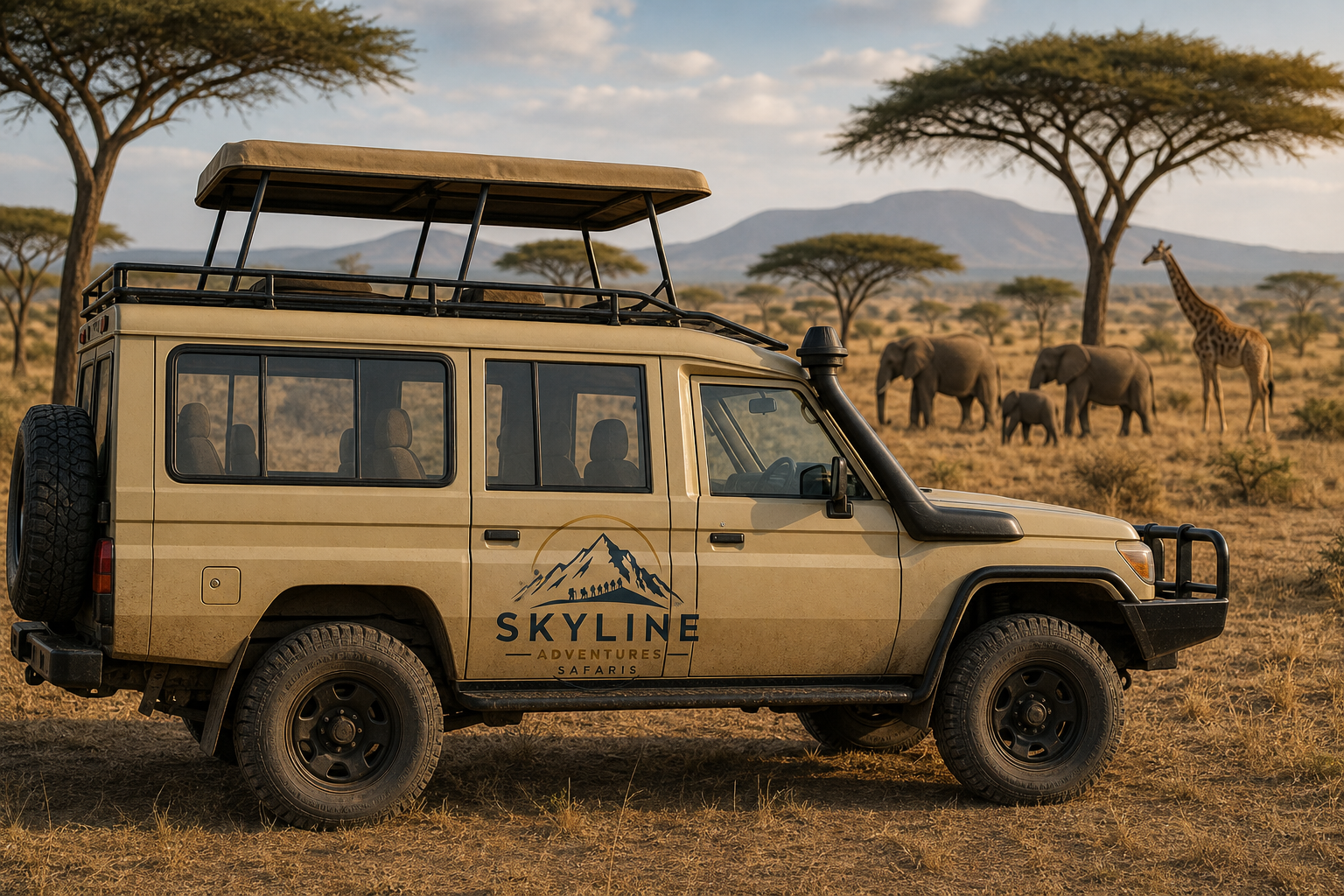
A safari is an extraordinary, once-in-a-lifetime experience that involves specialized logistics, private 4x4 Land Cruisers, certified safari guides, and remote camp operations.
Daily national park entry fees are a significant component of safari pricing. Maintaining Tanzania's 22 national parks, combating poaching, and protecting wilderness corridors is a massive endeavor funded by conservation fees. For example, entry into northern parks (Serengeti, Tarangire, Lake Manyara) ranges between $50 and $70 USD per foreign adult per 24 hours, plus 18% VAT and vehicle entry fees. While substantial, these fees directly ensure the long-term survival of wild habitats.
What Determines the Price of a Safari?
Several key factors determine the total cost of your Tanzania safari itinerary:
- Duration: Staying 7 to 10 days is ideal to make the most of your international flight, visit multiple parks, and finish with a tropical beach break in Zanzibar.
- Group Size (Small Group vs Private Safari): In scheduled small group safaris (max 7 guests), vehicle and guide costs are split among all travelers. On private safaris, the vehicle and private guide are exclusive to your party, offering complete scheduling flexibility.
- Accommodation Standards: Ranges from Adventure Camping (dome tents on park campsites) to Mobile Explorer Camps (private walk-in canvas tents in remote nature) and Luxury Lodges & Tented Camps (permanent structures with pools, fine dining, and en-suite bathrooms).
- Transport Style: Guided 4x4 road safaris in custom Land Cruisers vs Fly-in bush flights between remote airstrips (saving travel time for western and southern circuits).
- Season: High season (July–October, Dec–Feb) has higher lodge rates; low season (April–May) offers significant accommodation discounts.
Cost of a Visa to Tanzania
Most international visitors require a tourist visa to enter Tanzania. Ordinary single-entry tourist visas cost $50 USD (valid for up to 90 days), while US passport holders pay $100 USD for a multi-entry 12-month visa.
Visas can be obtained online via the official Tanzania Immigration e-Visa portal (recommended 2 to 4 weeks prior to travel) or upon arrival at Kilimanjaro (JRO), Dar es Salaam (DAR), and Zanzibar (ZNZ) airports.
Which Currency is Used in Tanzania?
The official currency is the Tanzanian Shilling (TZS). Tourism-related costs — including safari packages, park fees, pre-booked hotels, and tipping — are quoted and accepted in US Dollars (USD). For small everyday purchases, roadside markets, tips in local villages, and souvenirs, Tanzanian Shillings are preferred.
CRITICAL USD RULE: US Dollar notes printed before 2006 are NOT accepted anywhere in Tanzania due to counterfeiting regulations. Ensure all US Dollar banknotes you bring are printed in 2006 or later, in crisp, undamaged condition without tears or markings.
Foreign currency (USD, EUR, GBP) can be converted to Tanzanian Shillings at official bureaus de change at international airports and in major towns.
Which Types of Payment are Used in Tanzania?
• Cash in Tanzanian Shillings: Best for local markets, cultural village visits, curios, and small tips. ATMs are available in major hubs (Dar es Salaam, Arusha, Stone Town, Moshi, Karatu). Always withdraw enough cash before heading deep into remote national parks.
• US Dollars Cash: Best for tipping safari guides, mountain crews, and paying hotel extras.
• Credit & Debit Cards: Visa and Mastercard are accepted at major lodges, safari camps, and city hotels (frequently with a 3% to 5% bank processing surcharge). Always notify your bank before departure to prevent fraud locks.
• Traveler's Cheques: No longer accepted in Tanzania.
How Much Should I Tip on a Tanzania Safari?
Tipping is an established part of tourism culture in Tanzania. While not mandatory, it expresses appreciation for exceptional service and directly supports local families and communities through a strong economic multiplier effect.
Always tip in cash (USD or TZS). Tips for safari guides are presented at the end of the trip during the farewell.
- Safari Driver-Guide: $15 to $20 USD per group per day (e.g., if you are a group of 4, $5 per person per day).
- Lodge & Tented Camp Staff: $5 USD per guest per night, placed in the communal staff tip box at reception so behind-the-scenes cooks, cleaners, and maintenance staff share equally.
- Private Lodge Butler / Private Transfer Driver: $5 to $10 USD per service.
- City Restaurants: A tip of 10% of the total bill is customary.
Tipping Mountain Crews on Kilimanjaro
Climbing Mount Kilimanjaro requires a dedicated support team of guides, cooks, waiters, and porters who carry camping gear, food, and luggage up the mountain. It is customary to tip the entire mountain team after reaching the final camp.
Recommended daily tip rates per crew role (split between the climbing group):
• Head Guide: $15 – $18 USD per day
• Assistant Guide: $12 – $15 USD per day
• Mountain Cook: $8 – $10 USD per day
• Camp Waiter: $7 – $9 USD per day
• Summit Porter: $8 – $9 USD per day
• Regular Porter: $6 – $7 USD per day
• Camp Crew: $6 – $7 USD per day
How the Farewell Tipping Ceremony Works: At the final gate ceremony, your head guide will provide a list of all crew members. As a climbing group, calculate the pooled tip total, announce the amounts transparently to the team so each member knows what they receive, and hand the funds over for immediate distribution.
Our Expert Advice: Budget for Value
When planning a safari, it can be tempting to choose the lowest price available. However, what you remember and cherish forever are the experiences — the skill of your guide, the reliability of your 4x4 Land Cruiser, the location of your tented camp in wildlife corridors, and the intimacy of the sightings.
Our guests regularly confirm that they received far more value than they imagined. Contact our safari specialists to design a high-value itinerary tailored to your exact travel budget.
Ready to plan your Tanzania trip?
Get a tailored safari itinerary & free quote today.
Frequently Asked Questions
Why are pre-2006 US Dollar notes rejected in Tanzania?
Tanzanian banks and businesses strictly reject USD bills printed before 2006 to protect against older counterfeit notes. Ensure your USD bills are crisp, unripped, and dated 2006 or later.
Can I use credit cards in national parks?
Major lodges accept Visa and Mastercard, but remote parks often experience power and connectivity outages. Always carry sufficient cash (USD and TZS) for park purchases, tips, and emergencies.
How much should a couple budget for tipping on a 7-day safari?
For a 7-day safari, a couple should budget approximately $140–$150 USD total for their driver-guide ($20/day) plus $70 USD total for lodge communal tip boxes ($5/guest/night).
Related Travel Guides
Discover Tanzania with Earth Specialist Safaris
From the wildlife-rich plains of Serengeti and Ngorongoro to the summit of Mount Kilimanjaro and the tropical beaches of Zanzibar, Tanzania offers extraordinary experiences for every type of traveler.
Safari • Kilimanjaro • Culture • Zanzibar • Beach Holidays • Private Tours