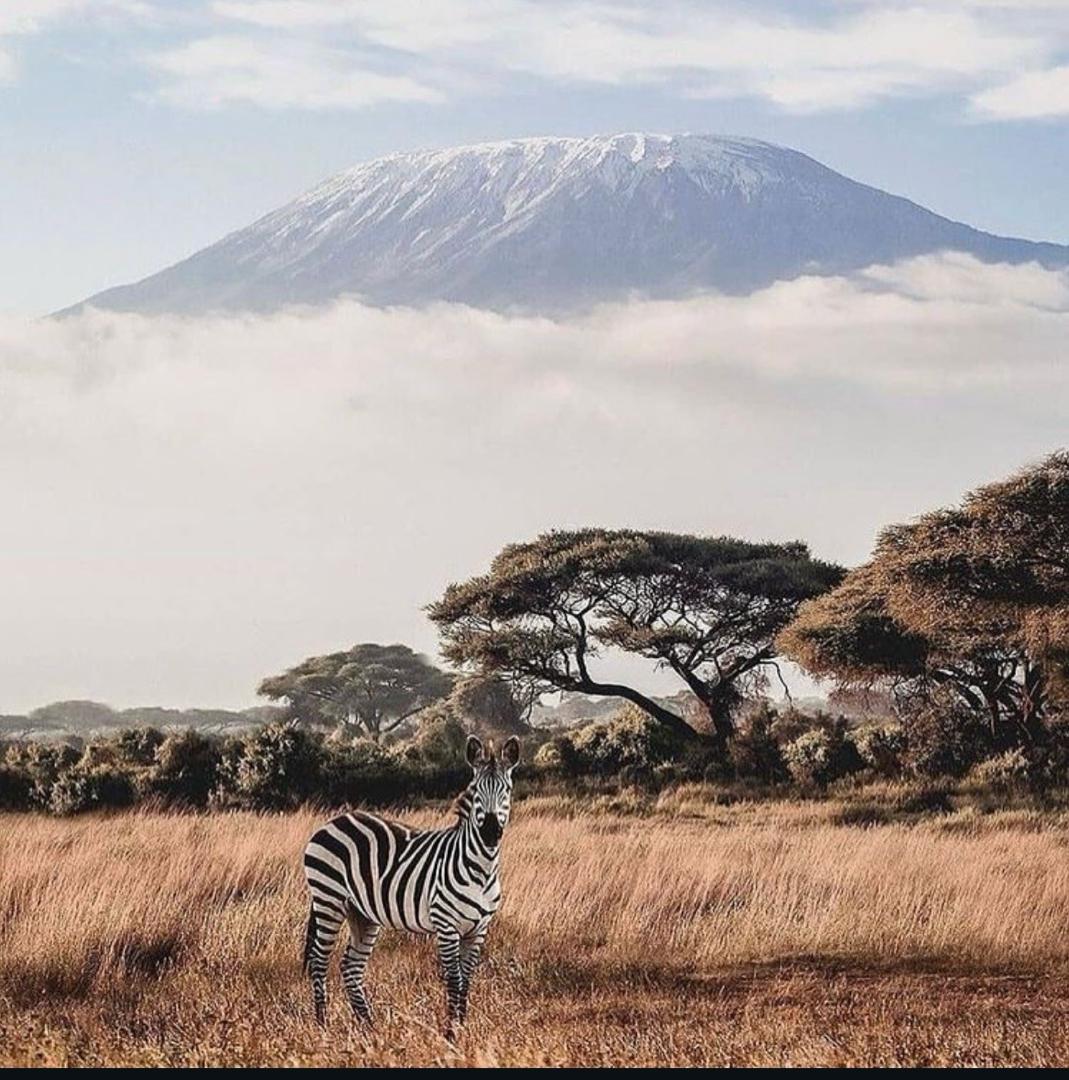
Roof of Africa • 5,895 Meters (19,341 Feet)
Snow-Capped Mount Kilimanjaro Trekking Packages
Mount Kilimanjaro is Africa's highest mountain and the world's tallest free-standing mountain at 5,895m above sea level with three major volcanic centres: Shira (4,160m), Kibo (5,895m), and Mawenzi. Regardless of the route, no technical equipment or climbing experience is required — just walking gear, good fitness, and strong determination.
- 5 Classic Routes (Lemosho, Machame, Rongai, Marangu, Umbwe)
- 97% – 99% Summit Success Rate
- WFR-Certified Guides & Oxygen Backup
- Private Mountain Tents & Fresh Chef Meals

Loved on TripAdvisor
Read real reviews from travellers we've guided.
Direct operator
No subcontractors — our guides, our vehicles.
Daily fly-in departures
Zanzibar to Nyerere, Mikumi and Serengeti.
Complimentary gifts
Maasai blanket, Zanzibar jersey and bracelet.
Stand on the Highest Point in Africa: Uhuru Peak (5,895m)
Widely considered the roof of Africa, affordable Kilimanjaro trekking packages are among the most rewarding experiences on Earth. Rising dramatically from the savannah plains of northern Tanzania, this dormant stratovolcano features three volcanic cones: Shira Plateau (4,160m), rugged Mawenzi Peak, and the snow-crowned Kibo (5,895m).
5,895m
Uhuru Peak Summit
Highest Free-Standing Mountain
99%
Peak Success Rate
With 8-Day Lemosho Route
100%
Safety Protocols
Oxygen, Pulse Oximeters & WFR
5
Distinct Routes
Tailored for All Climbers
Route Selection Guide
Compare Mount Kilimanjaro Trekking Routes
We organize climbs across 5 official routes. Choosing the right route depends on your preferred pace, wilderness solitude, scenery, and acclimatization profile.
Lemosho Route
Unspoiled western approach crossing the Shira Plateau. Unbeatable acclimatization profile, rich wildlife on Day 1, and highest summit success rate.
Machame Route
The famous 'Whiskey Route'. Passes through rainforest, moorland, Lava Tower (4,600m) and the iconic Barranco Wall with varied ecological zones.
Rongai Route
The only northern approach near the Kenya border. Gentle gradients, low crowds, dry microclimate, and dramatic camps beneath Mawenzi peak.
Marangu Route
The only route featuring wooden A-frame hut accommodations and dining halls. We strongly recommend the 6-day version with extra acclimatization at Horombo.
Umbwe Route
The 'Vodka Route'. The steepest, most direct, and thrilling ascent beneath the 1,000m Breach Wall. Demanding ridge hiking with supreme isolation.
Kilimanjaro Trekking Packages
All packages include park fees, guide & porter crew, full safety equipment, private chemical toilet, and airport transfers.
 SafarisKilimanjaro Trekking
8 Days / 7 Nights
8 Days Kilimanjaro Trek — Lemosho Route (Most Recommended)
Our #1 recommended route with 99% summit success rate, rich wildlife on Day 1, panoramic Shira Plateau crossing, and optimal acclimatization.
SafarisKilimanjaro Trekking7 Days / 6 Nights
7 Days Kilimanjaro Trek — Machame Route ('Whiskey Route')
The classic 'Whiskey Route' offering diverse ecological zones, thrilling scramble up Barranco Wall, Lava Tower acclimatization, and high summit success.
SafarisKilimanjaro Trekking6 Days / 5 Nights
6 Days Kilimanjaro Trek — Rongai Route (Northern Wilderness)
The only northern approach to Kilimanjaro with minimal crowd traffic, gentler gradients, rich wildlife, and dramatic views of Mawenzi Peak.
SafarisKilimanjaro Trekking6 Days / 5 Nights
6 Days Kilimanjaro Trek — Marangu Route ('Coca-Cola Route')
The classic hut-accommodation route with comfortable A-frame wooden sleeping huts, dining halls, and an extra acclimatization day at Horombo.
SafarisKilimanjaro Trekking6 Days / 5 Nights
6 Days Kilimanjaro Trek — Umbwe Route ('Vodka Route' for Experienced Trekkers)
The steepest, most direct, and thrilling ascent up Mount Kilimanjaro beneath the sheer 1,000m Breach Wall — for experienced and fit hikers.
The Summit Ascent & Seasons
The Last 500 Meters: The final ascent from Barafu Camp (4,600m) or Kibo Hut (4,700m) begins around midnight. The last 500 meters of ascent to Uhuru Peak will be extremely demanding regardless of your strength and physical fitness level. Our guides will set a steady, slow rhythm ('Pole Pole') to preserve your oxygen and energy.
Dry Season Peaks (June–October & December–March)
Clear skies, dry paths, and optimal visibility. Great for novice climbers and landscape photography across the cloud inversions.
Dramatic Snow Climbing (April–May & Mid-Nov–Dec)
Though rain can create minor trail mud, it frequently produces fresh snowfall on the higher cones, creating a dramatic arctic panorama with the entire mountain almost completely to yourself.
"Regardless of the route, no special technical equipment or previous climbing experience is required to reach Uhuru Peak."
Packing & Gear Checklist
Recommended Equipment for Kilimanjaro
Bringing the correct gear will maximize your comfort, warmth, and chances of summit success. Print or reference this checklist before your departure.
Essential Gear
- Solid Hiking Boots: High ankle support, Vibram/rigid sole, Gore-Tex waterproof. Break in at least 4 weeks prior to departure. Bring spare laces.
- Sunglasses (100% UV): High-protection wrap-around design to eliminate glare on snow/glaciers. Side shields recommended.
- Day Pack (30L): Hydration compatibility, chest/hip straps, internal frame, rain cover, and cushioned shoulder straps.
- Waterproof / Windproof Jacket: Gore-Tex seam-sealed outer shell with adjustable hood for rain, high wind, and summit night.
- Waterproof / Windproof Pants: Gore-Tex lined pants with lower leg zips for easy boot transitions and summit warmth.
- Summit Mittens / Heavy Gloves: Extreme cold rated with removable fleece liners and wrist cords.
- 2 Large Duffel Bags: One 80-90L water-resistant duffel for porters on the mountain (max 15kg), and one to store city clothes in hotel.
4-Layer Clothing System
- Layer 1: Base Layer (Thermal Underwear): 2 tops and 2 bottoms of CoolMax, Merino wool, or Capilene moisture-wicking material (NO cotton).
- Layer 2: Mid-Layer Insulation: Polartec 200-weight fleece top and warm fleece trekking pants to trap warmth during mornings and camp evenings.
- Layer 3: Outer Weatherproof Shell: Gore-Tex or breathable shell jacket & pants protecting against wind, rain, and snow.
- Layer 4: High-Altitude Down Jacket: 800-fill power down jacket with hood for summit bid and freezing high-camp nights.
- Head & Neck Wear: Warm fleece/wool beanie, balaclava for summit night, and wide-brimmed sun hat with neck coverage for lower slopes.
- Trekking Socks & Liners: 2 pairs CoolMax warm-weather socks + 4 pairs heavy Merino wool summit socks.
- Trekking Pants & Shirts: 2 convertible nylon hiking pants + 2 moisture-wicking trail shirts (short and long sleeve).
Mountain Accessories & Health
- Headlamp + Spare Batteries: High-lumen LED headlamp with at least 3 spare battery sets for midnight summit pushes.
- Hydration Bladder (2–3L) with Neoprene Sleeve: Camelbak/Hydrapak reservoir. A neoprene hose insulator is mandatory to prevent water freezing on summit night.
- Wide-Mouth Water Bottles (2 x 1L): Durable Nalgene bottles for camp hydration and warm hot-water bottle use inside sleeping bags.
- Trekking Poles: Collapsible aluminum or carbon poles with soft foam grips — reduces knee joint impact by 25–30%.
- Sunscreen & Lip Balm (SPF 30–50+): High-altitude UV rays are intense. Sweat-proof sunscreen and zinc lip protection.
- Dry Bags & Backpack Rain Cover: 20L dry bag for camera/electronics and an elasticized rain cover for your day pack.
- Camp Shoes (Teva, Crocs, Sandals): Comfortable footwear to slip into at camp to rest your feet after long hiking days.
- Personal First Aid & Medications: Blister kit (moleskin/second skin), Ibuprofen/Paracetamol, altitude medication (Diamox/Acetazolamide if prescribed), rehydration salts.
The 4-Layer Mountaineering Principle
1. Base Layer (Skin)
Wicks perspiration away to keep skin completely dry (CoolMax, Merino wool, Capilene).
2. Insulation Layer
Traps air pockets to preserve core body heat during cool walks and camps (Polartec 200 Fleece).
3. Outer Shell Layer
Blocks howling winds, rain, and blowing snow while allowing vapor release (Gore-Tex).
4. Extreme Down Layer
800-fill down jacket worn on the midnight summit push when temperatures plunge below -15°C.
Safety First Guarantee
Your Health & Well-Being on the Mountain
We never cut corners on safety. Every Earth Specialist Safaris expedition is equipped with professional medical backup and certified mountain leaders.
Oxygen & Pulse Oximeters
Medical-grade oxygen cylinders carried on every climb. Daily morning and evening pulse oximetry monitoring for early detection of altitude illness.
WFR Certified Guides
All lead guides are certified Wilderness First Responders (WFR) with extensive training in Acute Mountain Sickness (AMS), HAPE, and HACE management.
Hyperbaric Gamow Bag
Inflatable hyperbaric chamber available for rapid recompression in extreme high-altitude emergencies prior to evacuation.
AMREF Evacuation Cover
Emergency helicopter / flying doctors airlift evacuation insurance is automatically included in every climber's package.
Everything You Need to Know
Frequently Asked Questions: Climbing Kilimanjaro
Clear answers to the most common questions on routes, preparation, airport transfers, safety, and payments.
Ready to Stand on the Roof of Africa?
Contact our Kilimanjaro specialists today for private custom departures, combined safari & Zanzibar extensions, or group climbing dates.