Weather and Climate of Tanzania: Month-by-Month Guide
What is Tanzania's Climate Like?
Located near the equator, Tanzania enjoys an equatorial tropical climate characterized by warm daytime temperatures year-round. However, regional variations are significant:
• Northern Circuit (Serengeti, Ngorongoro, Tarangire): Mild, comfortable daytime temperatures (22°C–28°C / 72°F–82°F) with cool mornings and cold nights at altitude.
• High Altitude (Ngorongoro Crater Rim & Mount Kilimanjaro): Daytime temperatures are cool, and nighttime temperatures drop dramatically to 5°C–10°C (41°F–50°F), with freezing summits on Kilimanjaro.
• Southern & Western Circuit (Nyerere, Ruaha, Katavi): Hotter and drier (28°C–34°C / 82°F–93°F) during the day.
• Coastal Region & Zanzibar Archipelago: Warm, humid tropical climate (28°C–32°C / 82°F–90°F) with balmy sea breezes.
When is Winter and When is Summer?
Tanzania does not experience classic temperate winter and summer seasons. Instead, the year is divided into distinct wet and dry cycles:
• Main Dry Season (June to October): Coolest and driest period with clear blue skies and minimal rain. June and July are the coolest months; October is warm and dry.
• Short Rains (November to December): Light, unpredictable afternoon showers that bring a flush of green vegetation.
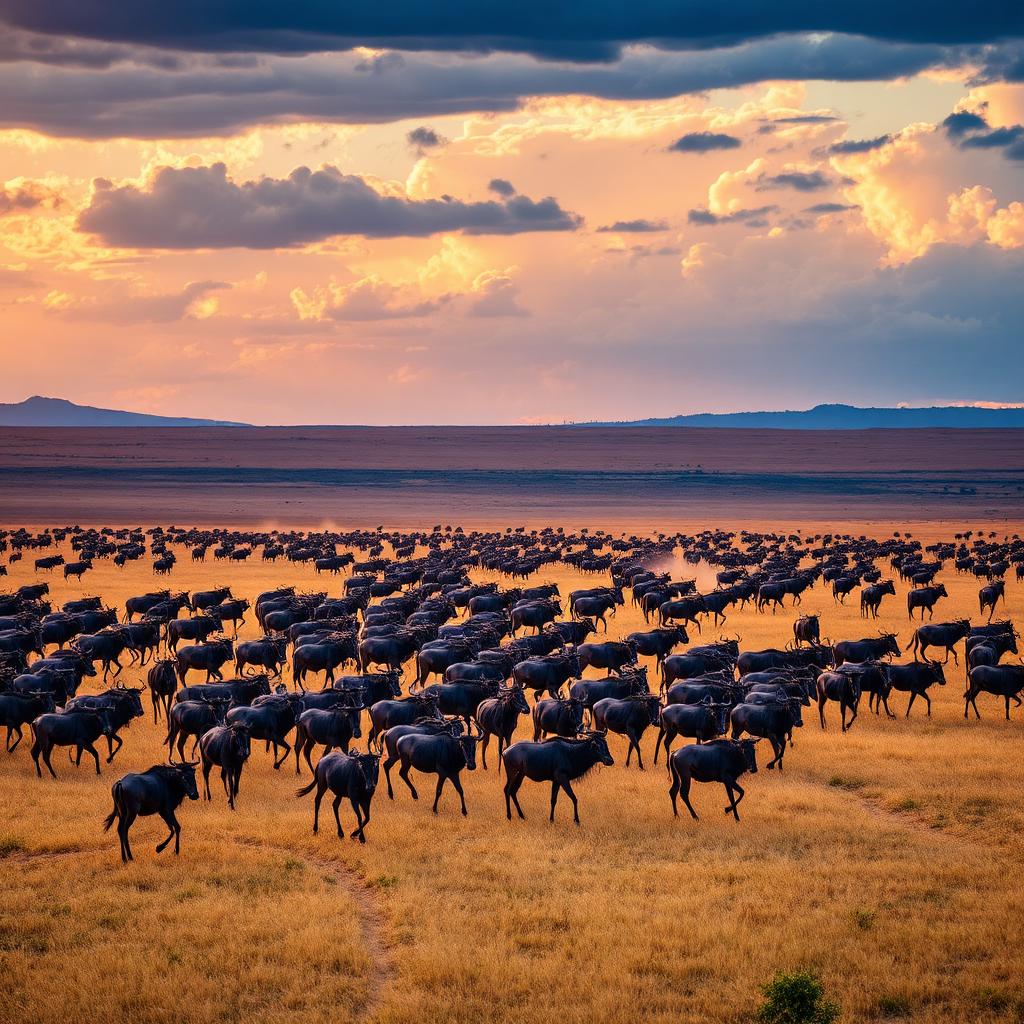
• Short Dry Season (January to February): Hot, sunny, and dry period coinciding with the wildebeest calving season in Southern Serengeti.
• Long Rains (March to May): The main monsoon period with heavy daily afternoon thunderstorms and lush green landscapes.
Tanzania Weather by Month
A month-by-month breakdown to help you plan your journey:
January to February — Calving & Clear Skies
January and February mark a pleasant short dry period between the two rainy seasons. In national parks, temperatures settle around 27°C (80°F).
In the Serengeti, thousands of wildebeest give birth on the southern Ndutu plains, attracting intense predator activity. On the coast, diving and snorkeling conditions in Zanzibar are at their peak with calm seas and warm water.
March to May — The Long Rains & Low Season
The long rains begin in mid-March as south-east trade winds push moist air inland against mountains and crater rims. Rain typically falls in heavy afternoon thunderstorms, leaving mornings clear.
Mountain trails on Kilimanjaro become muddy. However, northern safari lodges remain open and offer significant low-season discounts, lush landscapes, and virtually private game viewing. In May, wildebeest begin massing in Western Serengeti along the Grumeti River.
June to October — The Peak Dry High Season
June kicks off the five-month dry season with pleasant, sunny days (20°C–30°C / 68°F–86°F) and low humidity. Vegetation thins, waterholes dry out, and wildlife concentrates around rivers.
July and August feature famous Mara River crossings in Northern Serengeti and massive elephant gatherings in Tarangire. September offers sea turtle hatching on Zanzibar beaches, while October provides incredible hippo concentrations in Katavi.
November to December — The Short Rains & Green Growth
Short rains arrive in brief afternoon showers that do not disrupt game drives. The savannah transforms into a lush green carpet, migratory birds arrive from Europe, and divers off Zanzibar can swim with migrating whale sharks.
Southern Tanzania Climate Specifics
Southern Tanzania (Nyerere National Park and Ruaha National Park) experiences a slightly different climate than the north:
The dry season lasts from June to November, followed by a longer continuous rainy season from December to March/April. Choosing southern parks between June and October offers exceptional, crowd-free wildlife viewing along the Rufiji and Ruaha rivers.
Ready to plan your Tanzania trip?
Get a tailored safari itinerary & free quote today.
Frequently Asked Questions
What is the coldest month in Tanzania?
June and July are the coolest months, with pleasant daytime highs around 22°C–25°C (72°F–77°F), but nighttime temperatures in high-altitude areas like Ngorongoro can drop to 5°C–8°C (41°F–46°F).
Does it rain all day during the rainy season?
No. Even during the long rains (March to May), rain usually falls in intense 1 to 2-hour tropical afternoon showers or nighttime downpours, often leaving mornings clear for game drives.
What should I wear for morning game drives?
Because open 4x4 Land Cruisers depart at 6:00 AM when temperatures are crisp, dress in layers: a t-shirt, long-sleeve shirt, fleece jacket, and long trousers.
Related Travel Guides
Best Time to Visit Tanzania: Seasons, Regions & Activities
Read Article →Tips & AdviceTanzania Safari Packing List: What to Bring
Read Article →National ParksSerengeti National Park Travel Guide
Read Article →Zanzibar Travel GuideZanzibar Travel Guide — Everything You Need to Know Before Visiting
Read Article →Discover Tanzania with Earth Specialist Safaris
From the wildlife-rich plains of Serengeti and Ngorongoro to the summit of Mount Kilimanjaro and the tropical beaches of Zanzibar, Tanzania offers extraordinary experiences for every type of traveler.
Safari • Kilimanjaro • Culture • Zanzibar • Beach Holidays • Private Tours